Blog
Common Reasons Dentists Recommend Tooth Extraction & Tips to Heal Faster After Tooth Removal
Tooth Extraction in Johor Bahru – Complete Recovery & Dental Care Guide
Tooth extraction is a common dental procedure used to remove damaged, infected, impacted, or severely decayed teeth. Modern dentistry focuses on preserving natural teeth whenever possible, but in certain situations, extraction becomes the safest and healthiest option.
At Asiaa Dental Clinic JB , dentists carefully evaluate every case before recommending tooth removal. Using advanced dental technology and gentle techniques, the clinic prioritizes patient comfort, safe treatment, and smooth recovery.
Quick Answer: Why Do Dentists Recommend Tooth Extraction?
Tooth Dentists recommend tooth extraction when a tooth is severely damaged, infected, impacted, loose from gum disease, or causing overcrowding. Removing the tooth can prevent infection, relieve pain, protect surrounding teeth, and improve oral health.
Table of Contents
-
What Is Tooth Extraction?
-
Why Would a Dentist Recommend Tooth Removal?
-
Common Signs You Need a Tooth Extraction
-
Can Tooth Extraction Be Avoided?
-
Types of Tooth Extraction Procedures
-
What Happens During Tooth Extraction?
-
Does Tooth Extraction Hurt?
-
Tooth Extraction Healing Stages
-
Recovery Tips to Heal Faster After Tooth Removal
-
Foods to Eat After Tooth Extraction
-
Foods and Habits to Avoid
-
Wisdom Tooth Extraction in Johor Bahru
-
Tooth Extraction vs Root Canal Treatment
-
Tooth Extraction Recovery Timeline
-
What Is Normal After Tooth Extraction?
-
Warning Signs You Should Contact a Dentist Immediately
-
Common Mistakes Patients Make After Tooth Extraction
-
Tooth Extraction for Children vs Adults
-
Tooth Extraction Anxiety – How Modern Dentistry Helps
-
Cost of Tooth Extraction in Johor Bahru
-
Why Choose Asiaa Dental Clinic?
-
Frequently Asked Questions
-
Conclusion & CTA
What Is Tooth Extraction?
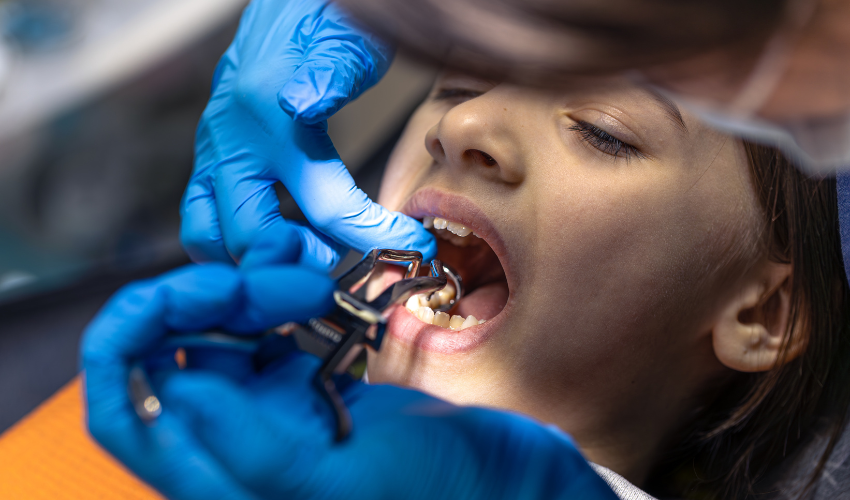
Tooth extraction is the removal of a tooth from its socket in the jawbone. Dentists recommend extraction when a tooth cannot be repaired safely through fillings, crowns, or root canal treatment. .
Tooth extraction procedures may involve:
-
Simple extraction
-
Surgical extraction
-
Wisdom tooth surgery
-
Emergency dental extraction
Modern dental clinics use local anesthesia and advanced techniques to make treatment safer and more comfortable.
Why Would a Dentist Recommend Tooth Removal?
Severe Tooth Decay
When tooth decay spreads deep into the tooth structure and cannot be restored, extraction may prevent infection from spreading
Common Symptoms
-
Severe toothache
-
Swelling
-
Bad breath
-
Difficulty chewing
-
Tooth sensitivity
Impacted Wisdom Teeth
Wisdom teeth may grow sideways, remain trapped under the gums, or create pressure on nearby teeth.
Signs of Impacted Wisdom Teeth
-
Jaw pain
-
Swollen gums
-
Difficulty opening the mouth
-
Headaches
-
Pain while chewing
Wisdom tooth extraction is one of the most common dental surgeries in Johor Bahru.
Advanced Gum Disease
Severe periodontal disease damages the gums and supporting bone around teeth, making them loose and unstable.
Extraction may be necessary to protect surrounding teeth and stop further infection.
Broken or Cracked Teeth
Teeth damaged by accidents or fractures may not always be repairable.
Extraction is sometimes the safest long-term solution.
Orthodontic Treatment Preparation
Dentists may remove teeth before braces or aligners to create enough space for proper alignment.
Severe Tooth Infection or Abscess
Untreated dental infections can spread to nearby tissues and affect overall health.
Emergency tooth extraction may be recommended if the infection is severe
Common Signs You Need a Tooth Extraction
You should visit a dentist if you experience:
-
Persistent tooth pain
-
Swollen gums
-
Bleeding around teeth
-
Loose teeth
-
Jaw swelling
-
Difficulty chewing
-
Impacted wisdom tooth pain
-
Pus or infection near gums
-
Pain when biting
Early treatment can prevent complications and reduce the need for emergency dental procedures.
Can Tooth Extraction Be Avoided?
In many cases, yes.
Dentists usually try to save natural teeth using:
-
Fillings
-
Dental crowns
-
Root canal treatment
-
Gum disease treatment
However, extraction becomes necessary when the tooth cannot be restored safely or predictably.
Types of Tooth Extraction Procedures
| Procedure | Description | Recommended For |
|---|---|---|
| Simple Extraction | Removal of visible teeth | Loose or damaged teeth |
| Surgical Extraction | Minor oral surgery | Broken or impacted teeth |
| Wisdom Tooth Removal | Removal of third molars | Pain, swelling, crowding |
| Emergency Extraction | Immediate removal for infection or trauma | Severe dental pain |
What Happens During Tooth Extraction?
Before Treatment
The dentist examines the tooth and may take digital X-rays to evaluate the roots and surrounding bone.
During the Procedure
-
Local anesthesia is administered
-
The tooth is loosened gently
-
The tooth is removed carefully
-
Gauze is placed to control bleeding
After the Procedure
Patients receive:
-
Recovery instructions
-
Medication guidance
-
Dietary advice
-
Follow-up recommendations
Does Tooth Extraction Hurt?
Modern tooth extraction procedures are designed to minimize discomfort.
During treatment:
-
The area is fully numbed with anesthesia
-
Most patients feel pressure, not pain
After treatment:
-
Mild soreness and swelling are normal
-
Discomfort usually improves within a few days
Tooth Extraction Healing Stages
First 24 Hours
-
Blood clot forms
-
Mild bleeding and swelling occur
-
Rest is important
Days 2–3
-
Swelling begins reducing
-
Gum tissue starts healing
-
Pain improves gradually
Days 4–7
-
Healing continues
-
Most patients resume normal activities
-
Soft tissue closes gradually
1–2 Weeks
-
Significant healing occurs
-
Discomfort usually resolves completely
Recovery Tips to Heal Faster After Tooth Removal
Keep Gauze in Place
Biting gently on gauze helps stop bleeding and supports clot formation.
Avoid Using Straws
Suction can remove the blood clot and cause dry socket.
Apply Cold Compresses
Cold packs help reduce swelling during the first 24 hours.
Eat Soft Foods
Choose:
-
Yogurt
-
Soup
-
Mashed potatoes
-
Oatmeal
-
Smoothies
-
Rice porridge
Drink Plenty of Water
Staying hydrated supports healing.
Avoid Smoking and Alcohol
Smoking delays healing and increases infection risk.
Sleep With Your Head Elevated
Keeping the head slightly raised may help reduce swelling.
Maintain Gentle Oral Hygiene
Saltwater rinses after 24 hours help keep the extraction site clean.
Foods to Eat After Tooth Extraction
Recommended Foods
-
Yogurt
-
Soft rice
-
Smoothies
-
Scrambled eggs
-
Soup
-
Mashed vegetables
Foods and Habits to Avoid
Avoid:
-
Hard foods
-
Crunchy snacks
-
Nuts
-
Smoking
-
Alcohol
-
Spicy foods
-
Hot drinks immediately after extraction
Wisdom Tooth Extraction in Johor Bahru
Wisdom teeth commonly cause:
-
Gum infection
-
Swelling
-
Crowding
-
Jaw pain
-
Difficulty cleaning the back teeth
At Asiaa Dental Clinic, dentists use modern imaging and gentle surgical techniques to improve patient comfort and recovery outcomes.
Tooth Extraction vs Root Canal Treatment
| Tooth Extraction | Root Canal |
|---|---|
| Removes tooth completely | Saves natural tooth |
| Faster procedure | Multi-step treatment |
| May require replacement later | Maintains chewing ability |
| Recommended for severe damage | Recommended if tooth can be restored |
Dentists usually prioritize preserving natural teeth whenever possible.
Tooth Extraction Recovery Timeline
| Time | What to Expect |
|---|---|
| 24 Hours | Blood clot formation |
| 2–3 Days | Reduced swelling |
| 1 Week | Improved comfort |
| 2 Weeks | Significant healing |
| Several Weeks | Full tissue healing |
What Is Normal After Tooth Extraction?
Normal symptoms include:
-
Mild swelling
-
Slight bleeding
-
Jaw stiffness
-
Mild discomfort
-
Temporary difficulty chewing
These symptoms usually improve gradually.
Warning Signs You Should Contact a Dentist Immediately
Seek urgent dental care if you experience:
-
Heavy bleeding
-
Severe swelling
-
Fever
-
Difficulty breathing
-
Severe pain after several days
-
Pus or foul smell
-
Persistent numbness
Common Mistakes Patients Make After Tooth Extraction
Using Straws Too Soon
This can cause dry socket.
Smoking After Extraction
Smoking delays healing significantly.
Eating Hard Foods Early
Hard foods may irritate the healing site.
Ignoring Aftercare Instructions
Proper care reduces complications and speeds healing.
Tooth Extraction for Children vs Adults
| Children – Extractions May Be Needed For | Adults – Extractions Are Commonly Related To |
|---|---|
| Baby teeth crowding | Wisdom teeth |
| Orthodontic planning | Gum disease |
| Severe tooth decay | Tooth fractures |
| Delayed baby tooth shedding | Severe infections |
| Extra teeth affecting alignment | Impacted teeth causing pain or swelling |
| Preventive extraction for proper permanent tooth growth | Damaged teeth beyond repair |
Tooth Extraction Anxiety – How Modern Dentistry Helps
Many patients feel nervous about tooth extraction.
Modern dentistry helps reduce anxiety through:
-
Gentle techniques
-
Local anesthesia
-
Patient-focused care
-
Clear communication
-
Comfortable clinic environments
Cost of Tooth Extraction in Johor Bahru
The cost depends on:
-
Complexity of extraction
-
Impacted wisdom teeth
-
Need for surgery
-
Digital X-rays
-
Medications required
Simple extractions generally cost less than surgical wisdom tooth removal.
Why Choose Asiaa Dental Clinic for Tooth Extraction in Johor Bahru?
Experienced Dental Professionals – The clinic focuses on accurate diagnosis and personalized treatment.
Patient-Centered Care – The team prioritizes patient comfort and clear communication.
Modern Technology – Digital imaging supports safer and more precise procedures.
Comfortable Patient Experience – The team prioritizes gentle care and patient confidence.
Comprehensive Aftercare Guidance – Detailed recovery support helps patients heal faster.
Frequently Asked Questions About Tooth Extraction
How long does tooth extraction recovery take?
Most patients recover within a few days, while full healing may take several weeks.
Can I brush my teeth after extraction?
Yes, but avoid brushing directly over the extraction site for the first day.
Can I eat rice after tooth extraction?
Soft rice is usually acceptable after the initial healing period.
Is swelling normal after tooth extraction?
Yes. Mild swelling during the first 24–48 hours is common.
What is dry socket?
Dry socket occurs when the blood clot becomes dislodged, exposing bone and causing severe pain.
Can I work after tooth extraction?
Many patients return to work the next day after simple extraction procedures.
Is wisdom tooth removal necessary for everyone?
No. Dentists recommend removal only if wisdom teeth cause problems or future risks.
Conclusion
Tooth extraction can help relieve pain, treat infection, and protect your overall oral health. Whether it is a wisdom tooth problem, severe decay, or a damaged tooth, early treatment can prevent more serious dental complications.
With modern dental techniques and proper aftercare, recovery is usually smooth and comfortable.
If you are experiencing tooth pain or wisdom tooth discomfort, visit Asiaa Dental Clinic for gentle and personalized dental care.
Book Your Consultation Today
Looking for safe and comfortable tooth extraction in Johor Bahru? Contact Asiaa Dental Clinic today for expert treatment and professional recovery guidance for a healthier smile.
Our Treatments
Accepted Cards & Wallets