Blog
Damaged Tooth? Discover How Dental Crowns in Johor Bahru Restore Your Smile, Strength & Confidence
A damaged tooth can affect more than just your appearance. It can interfere with chewing, cause sensitivity, lower your confidence, and even lead to further oral health complications if left untreated. Whether you’re dealing with a cracked tooth, severe decay, worn enamel, or a root canal-treated tooth, dental crowns offer a long-lasting, reliable solution.
If you are searching for dental crowns in Johor Bahru, this comprehensive guide will help you understand everything — from types of crowns and treatment procedure to cost, recovery, benefits, and long-term care.
At Asiaa Dental Clinic, patients receive personalised dental care backed by clinical expertise, modern technology, and a patient-first approach — ensuring both functional restoration and aesthetic enhancement.
What Is a Dental Crown?
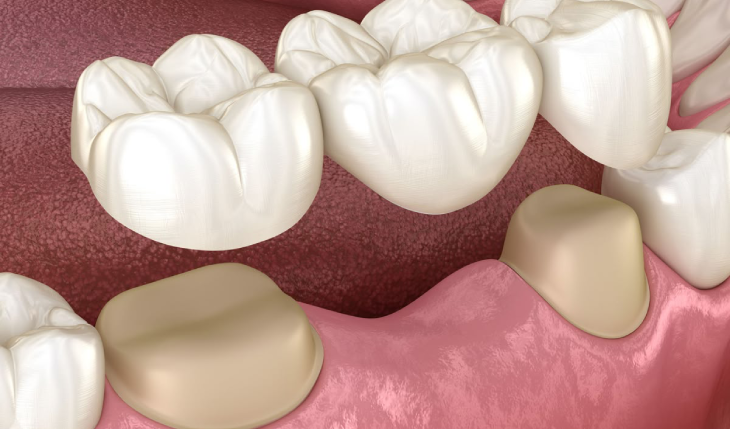
A dental crown is a custom-made cap placed over a damaged or weakened tooth. It restores the tooth’s:
-
Shape
-
Size
-
Strength
-
Function
-
Natural appearance
Think of it as a protective helmet for your tooth. Once cemented, it fully covers the visible portion above the gum line.
Dental crowns are commonly recommended for:
-
Severely decayed teeth
-
Cracked or fractured teeth
-
Teeth weakened after root canal treatment
-
Worn-down teeth due to grinding (bruxism)
-
Large fillings that compromise tooth strength
-
Cosmetic smile enhancement
When Do You Need a Dental Crown?
Not every damaged tooth requires extraction. In many cases, a crown can preserve your natural tooth structure.
You may need a dental crown if you experience:
1. Cracked or Broken Tooth
A crack can worsen over time, especially while chewing. A crown holds the tooth together and prevents further fracture.
2. Large Dental Filling
When more than 50% of the tooth structure is damaged, a filling may not be strong enough. A crown provides better long-term stability.
3. Root Canal Treatment
After a root canal, the tooth becomes brittle. A crown protects it from breaking.
4. Severe Tooth Decay
If decay has weakened the tooth significantly, a crown restores both strength and function.
5. Cosmetic Concerns
Discolored or misshaped teeth can be corrected with aesthetic crowns.
Types of Dental Crowns Available in Johor Bahru
Choosing the right material depends on durability needs, aesthetic goals, and budget.
1. Zirconia Crowns
Best for: Strength and durability
Zirconia crowns are extremely strong and resistant to chipping. They are ideal for back teeth where chewing pressure is high.
Benefits:
-
High strength
-
Long-lasting
-
Metal-free
-
Biocompatible
-
Natural appearance
They are increasingly popular for patients seeking durable and aesthetic solutions.
2. Porcelain Crowns
Best for: Front teeth
Porcelain crowns closely mimic the translucency of natural enamel, making them excellent for cosmetic cases.
Benefits:
-
Highly aesthetic
-
Natural color match
-
Ideal for visible teeth
3. Porcelain-Fused-to-Metal (PFM) Crowns
These combine metal strength with a porcelain exterior.
Pros:
-
Strong
-
More affordable than full ceramic
-
Suitable for back teeth
Cons:
-
Metal line may show over time
4. E-Max (Lithium Disilicate) Crowns
Known for superior aesthetics and strength, especially for front teeth restorations.
Clearing the Biggest Myth Once and for All
Understanding the process reduces anxiety and builds confidence.
Step 1: Consultation & Examination
The dentist evaluates your tooth condition using clinical examination and digital X-rays.
Step 2: Tooth Preparation
The damaged portion is removed. The tooth is reshaped to accommodate the crown.
Step 3: Impression or Digital Scan
A 3D scan ensures a precise fit.
Step 4: Temporary Crown
A temporary crown protects the tooth while the permanent one is fabricated.
Step 5: Crown Placement
The final crown is cemented securely after checking fit and bite alignment.
The final crown is cemented securely after checking fit and bite alignment.
Typically:
-
2 visits
-
5–7 days apart
Some advanced clinics may offer same-day crowns using CAD/CAM technology.
Benefits of Dental Crowns
1. Restores Chewing Function
Eat comfortably without pain or sensitivity.
2. Prevents Further Damage
Protects weakened tooth structure.
3. Enhances Appearance
Improves smile aesthetics.
4. Long-Lasting Solution
With proper care, crowns can last 10–15 years or longer.
5. Boosts Confidence
A complete smile improves self-esteem and social comfort.
How Much Do Dental Crowns Cost in Johor Bahru?
The cost of dental crowns in Johor Bahru varies based on:
-
Crown material (Zirconia, Porcelain, PFM, E-max)
-
Complexity of case
-
Need for root canal treatment
-
Technology used
While prices vary, zirconia and E-max crowns typically cost more due to advanced material quality and durability.
For accurate pricing, consultation is recommended since each case is unique.
Is Getting a Dental Crown Painful?
The procedure is performed under local anesthesia. Most patients report:
-
Minimal discomfort
-
Mild sensitivity for a few days
-
Quick recovery
Post-treatment discomfort usually subsides within 48–72 hours.
Recovery & Aftercare Tips
To extend the life of your crown:
-
Brush twice daily
-
Floss carefully around the crown
-
Avoid chewing ice or very hard foods
-
Wear a night guard if you grind teeth
-
Attend regular dental checkups
Proper oral hygiene prevents gum disease around the crown margin.
How Long Do Dental Crowns Last?
Average lifespan:
-
10–15 years
-
Some last 20+ years with excellent care
Factors affecting longevity:
-
Oral hygiene
-
Diet
-
Teeth grinding habits
-
Regular dental visits
🦷 1. Quick Self-Assessment: Do You Need a Dental Crown?
Before booking a consultation, ask yourself these questions:
-
Do you feel pain when chewing on one side?
-
Is your tooth cracked, chipped, or visibly broken?
-
Have you recently completed a root canal treatment?
-
Do you have a large filling that keeps breaking?
-
Is your tooth severely discolored or misshaped?
👉 If you answered “Yes” to two or more questions, you may benefit from a dental crown evaluation.
This simple self-check helps readers connect personally with the problem — increasing conversion intent.
📊 2. What Matters Most to You? (Reader Decision Guide)
When considering dental crowns in Johor Bahru, what is your priority?
| Your Priority | Recommended Crown Option |
|---|---|
| Maximum durability for molars | Zirconia Crown |
| Most natural appearance for front teeth | E-Max / Porcelain Crown |
| Budget-friendly option | PFM Crown |
| Long-term investment | Zirconia or E-Max |
This section helps readers feel guided instead of overwhelmed.
⏳ 3. What Happens If You Delay Treatment?
Many patients postpone treatment due to fear or cost concerns. But delaying can lead to:
-
Worsening cracks
-
Tooth infection
-
Severe pain
-
Need for root canal treatment
-
Possible tooth extraction
-
Higher overall treatment cost later
A weakened tooth does not heal on its own. Early intervention usually means simpler treatment and better long-term outcomes.
This creates urgency without being aggressive.
💬 4. Ask Yourself: Restoration or Replacement?
If a tooth is damaged, you generally have two options:
-
Restore it with a dental crown
-
Extract it and replace it with an implant or bridge
Preserving your natural tooth structure with a crown is often:
-
Less invasive
-
More affordable
-
Faster recovery
-
Better for long-term oral health
👉 Whenever possible, saving your natural tooth is the preferred option in modern restorative dentistry.
Dental Crowns vs Other Treatments
| Treatment | Best For | Longevity |
|---|---|---|
| Filling | Small cavities | 5–8 years |
| Veneer | Cosmetic front teeth | 10–15 years |
| Crown | Severe damage | 10–15+ years |
| Extraction | Non-restorable tooth | Permanent loss |
Preserving your natural tooth with a crown is usually better than extraction.
Dental Crowns in Johor Bahru: Quick Comparison Guide
| Crown Type | Best For | Strength Level | Aesthetic Quality | Average Lifespan | Cost Range (Relative) | Key Advantage |
|---|---|---|---|---|---|---|
| Zirconia Crown | Back teeth (molars), heavy bite pressure | Very High | High | 15–20+ years | Premium | Extremely durable and fracture-resistant |
| Porcelain (Ceramic) Crown | Front teeth | Moderate | Very High | 10–15 years | Moderate–High | Natural tooth-like translucency |
| E-Max Crown | Front teeth, smile makeover | High | Excellent | 15+ years | Premium | Superior aesthetics with good strength |
| Porcelain-Fused-to-Metal (PFM) | Back teeth | High | Moderate | 10–15 years | Moderate | Strong core with aesthetic outer layer |
| Temporary Crown | Short-term protection | Low | Basic | Few weeks | Included in treatment | Protects tooth until final crown placement |

Why Choose Asiaa Dental Clinic for Dental Crowns in Johor Bahru?
Choosing the right dental clinic is just as important as choosing the right crown material. Dental crowns require precision, experience, and careful treatment planning to ensure long-term success. Here’s why many patients trust Asiaa Dental Clinic for restorative dental care in Johor Bahru.
1. Experienced Dental Professionals
Dental crown procedures involve accurate tooth preparation, bite alignment, and material selection. The clinical team follows structured restorative protocols to ensure durability, comfort, and aesthetics.
Experience matters when restoring weakened teeth — especially in complex cases such as root canal-treated teeth or severely fractured molars.
2. Advanced Technology & Digital Precision
Modern dentistry enhances both comfort and accuracy. The clinic utilises:
-
Digital X-rays
-
Intraoral scanning technology
-
Precision impression techniques
-
High-quality dental laboratory partnerships
This ensures crowns fit accurately, feel natural, and function properly.
3. Personalised Treatment Planning
No two teeth are the same. Each patient receives:
-
Comprehensive oral examination
-
Clear explanation of treatment options
-
Discussion of crown materials (Zirconia, E-max, Porcelain, PFM)
-
Transparent cost guidance
This patient-focused approach reflects strong E-E-A-T principles: Experience, Expertise, Authoritativeness, and Trustworthiness.
4. Focus on Long-Term Results
Dental crowns are not just cosmetic solutions — they are long-term protective restorations. The goal is to:
-
Preserve natural tooth structure
-
Prevent further damage
-
Restore chewing efficiency
-
Maintain gum health
Long-term oral health is always prioritised over temporary fixes.
5. Comfortable & Patient-Centred Care
Dental anxiety is common, and patient comfort is always a priority. The clinic focuses on:
-
Gentle and careful procedures
-
Clear communication at every stage
-
Minimal discomfort techniques
-
Supportive and calming patient environment
Patients are guided through every step of the crown procedure, helping reduce fear and uncertainty while ensuring a comfortable experience.
6. Comprehensive Dental Services Under One Roof
From diagnosis to crown placement and follow-up care, everything is managed systematically. If additional treatments such as root canal therapy or gum care are required, they are coordinated efficiently.
7. Strong Local Reputation in Johor Bahru
Consistent patient satisfaction and ethical treatment recommendations contribute to growing trust within the community.
When considering dental crowns in Johor Bahru, choosing a clinic that combines technology, expertise, and patient care ensures optimal results.
Final Thoughts: Restore More Than Just a Tooth
A damaged tooth doesn’t have to impact your daily life or confidence. Dental crowns provide a durable, aesthetic, and functional solution that protects your natural tooth while restoring your smile.
If you're considering dental crowns in Johor Bahru, early consultation ensures timely intervention and prevents further complications.
Your smile deserves strength, beauty, and long-term protection — and the right restorative treatment can make all the difference.
FAQs
Are dental crowns permanent?
Dental crowns are designed to be long-lasting restorations, typically lasting 10–15 years or more with proper care.However, they are not lifetime solutions and may require replacement due to wear or damage.Regular dental check-ups help ensure your crown remains in good condition.
Can a crowned tooth get cavities?
Yes, the natural tooth underneath the crown can still develop decay if oral hygiene is poor.Plaque buildup around the crown margins can lead to gum disease and cavities.Brushing, flossing, and routine dental visits are essential for protection.
Is zirconia better than porcelain?
Zirconia crowns are stronger and more resistant to fractures, making them ideal for back teeth.Porcelain crowns offer superior translucency and are often preferred for front teeth aesthetics.The best option depends on your bite strength, tooth position, and cosmetic goals.
How do I know if my crown needs replacement?
Signs include persistent pain, sensitivity, looseness, visible cracks, or gum inflammation.You may also notice discomfort while chewing or changes in bite alignment.A dental examination can determine whether repair or replacement is needed.
Can I eat normally with a crown?
Yes, once the permanent crown is securely placed, you can resume normal eating.It is advisable to avoid extremely hard foods that may damage the restoration.Maintaining good oral hygiene ensures long-term comfort and function.
Our Treatments
Accepted Cards & Wallets